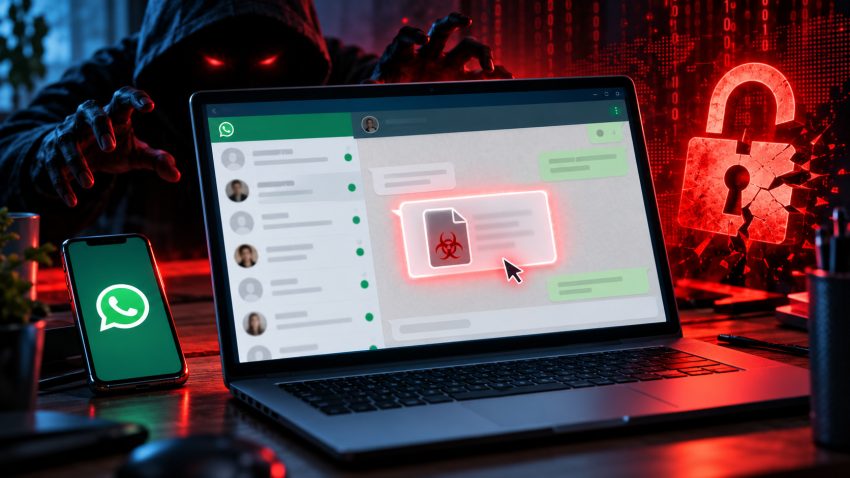
ISLAMABAD – Pakistan issued HIGH-level cyberattack alert, warning government officials to immediately stop using WhatsApp Web and Desktop on Windows computers as hackers target users with malicious files capable of stealing passwords, sensitive data and gaining remote control of devices.
Pakistan’s National Cyber Emergency Response Team (National CERT) declared HIGH-level cybersecurity threat, urging government officials and individuals handling confidential data to immediately avoid using WhatsApp Web and WhatsApp Desktop on Windows systems.
The emergency advisory warns that cybercriminals are exploiting messaging platforms and emails to launch targeted phishing attacks, distribute malicious files and gain unauthorized access to computers.
Malware as Documents
According to CERT, attackers are impersonating government departments, officials and trusted contacts to deceive their targets. Malicious files are being circulated through WhatsApp Web, WhatsApp Desktop and email, often disguised as important official documents.
If users open and execute the malicious content, hackers could gain remote access to their Windows computers, steal passwords and obtain confidential information.
The threat is particularly concerning for government departments and organisations dealing with sensitive records, where a single compromised computer could expose valuable data.
The cybersecurity watchdog has warned that users should not automatically trust messages received from familiar WhatsApp contacts. An unexpected document, attachment or suspicious link, even from someone known to the recipient, could be part of a targeted cyberattack.
National CERT has also advised users to regularly inspect WhatsApp’s Linked Devices section, warning that an unfamiliar connected device could indicate unauthorized account access.
As urgent precaution, the national cybersecurity agency has recommended that officials handling sensitive information stop using WhatsApp Web and WhatsApp Desktop on Windows computers. The advisory also warns against transferring files received through WhatsApp to official Windows systems.
Users have been instructed to immediately terminate suspicious WhatsApp Web sessions, avoid unverified attachments and never disclose passwords, one-time passwords (OTPs) or verification codes. National CERT has further recommended enabling two-step verification on WhatsApp and other online accounts.
Windows operating systems, web browsers and installed applications should also be updated with the latest security patches.
The advisory outlines immediate emergency measures for anyone who suspects their computer or WhatsApp account has been compromised. Affected Windows computers should be disconnected from the internet and local networks without delay to limit further unauthorized access.
Users should preserve suspicious messages, attachments and relevant system logs as evidence and avoid reopening potentially malicious files.
The warning does not amount to a nationwide WhatsApp ban. Instead, it specifically highlights the dangers of using WhatsApp Web and Desktop on Windows systems handling sensitive information.
WhatsApp Hack Alert: Your messages might already be compromised