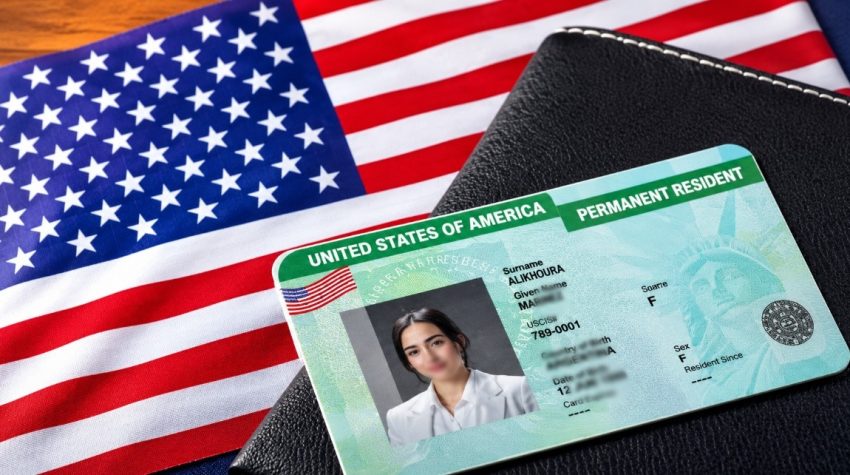
WASHINGTON – For thousands of skilled foreign workers planning American dream, the road to US green card could soon become much tougher as Trump administration is preparing major changes that could make permanent residency harder to secure, even for experienced tech professionals, scientists and nurses already working in America.
US Department of Labor has unveiled sweeping proposals that would force companies to clear tougher hurdles before sponsoring foreign employees for permanent residence. The proposed restrictions could have far-reaching consequences for foreign professionals already working in the US on temporary visas, as well as those hoping to secure long-term careers in the country.
Permanent Labor Certification Program is a crucial immigration mechanism that allows American businesses to sponsor qualified foreign nationals for employment-based green cards. The program has long served as a pathway to permanent residency for skilled professionals, particularly those employed by major technology corporations and outsourcing companies.
However, the Trump administration wants to make it considerably harder for employers to demonstrate that hiring foreign talent is necessary. Under current rules, companies must establish that sufficiently qualified American workers are unavailable for a particular position. They must also show that recruiting a foreign national will not undermine the wages or working conditions of US employees performing comparable jobs.
The new proposals would raise that standard, requiring employers to produce more substantial evidence that bringing in overseas workers would not disadvantage the domestic workforce. For businesses that depend heavily on international talent, the changes could mean additional scrutiny, stricter compliance requirements and potentially longer recruitment procedures.
Tougher Restrictions for Nurses and Scientists
The proposed crackdown would not be limited to software engineers and other technology professionals. Foreign nurses and scientists with exceptional abilities could also face new obstacles, despite having previously benefited from certain exemptions linked to labor shortages or specialized qualifications.
Under the proposed framework, employers recruiting workers in these categories would have to meet additional certification requirements. The move could affect American healthcare institutions, research organizations and companies seeking highly specialized professionals from abroad.
One of elements of proposed regulations is a restriction targeting employers that dismiss American workers while seeking to recruit foreign employees. Under the proposal, companies that have laid off workers in certain positions would be prevented from obtaining approval to hire foreign nationals for comparable jobs for the following two years.
The measure is designed to discourage businesses from replacing domestic employees with overseas workers. If introduced, it could have particularly serious implications for major corporations undergoing restructuring or workforce reductions while continuing to recruit international specialists.
Department of Labor is also seeking changes to the way employers advertise vacancies before sponsoring foreign nationals. Instead of depending on conventional recruitment channels, including newspaper advertisements, companies would be directed toward online platforms and digital hiring methods.
Officials want employers to reach a broader audience of qualified American jobseekers before demonstrating that a position needs to be filled by a foreign worker. The proposed changes would effectively increase employers’ responsibility to show that domestic candidates were given a meaningful opportunity to apply.
The latest proposals follow earlier action against some of America’s biggest technology companies. In October, the US government barred Microsoft, Adobe and several other major technology businesses from filing applications through the permanent labor certification program.
According to Department of Labor data, Microsoft had been the leading employer submitting applications under the system. The earlier restrictions, combined with the newly proposed requirements, could create significant uncertainty for foreign professionals working in America’s technology sector.
The proposed green card restrictions represent another step in President Trump’s broader campaign to tighten immigration controls. While previous immigration debates have frequently focused on illegal border crossings, the latest proposals demonstrate that legally employed foreign nationals are also facing increasing scrutiny.
Despite the proposed changes, the tougher requirements have not yet become law or taken effect. Department of Labor is scheduled to publish the proposals in the Federal Register on Tuesday, November 17, 2026. The publication will initiate 60-day public consultation period, allowing employers, immigration stakeholders, industry representatives and members of the public to submit their views.
US Green Card process revised as new rules require applicants to apply from abroad
Federal authorities will then examine the feedback before deciding whether to adopt, revise or withdraw the proposed regulations. Any final implementation would follow the required regulatory process. For now, existing procedures remain in place, although the proposed overhaul has raised concerns about the future of employment-based immigration.
For skilled professionals hoping to settle permanently in America, the proposed regulations signal a potentially more demanding immigration environment. Foreign workers in technology, healthcare, scientific research and outsourcing could face stricter employer sponsorship requirements, while companies may find it increasingly difficult to justify international recruitment.