
ISLAMABAD – Pakistan could be heading into another difficult winter this year, with authorities considering gas supply plan that would leave domestic consumers without natural gas for up to 16 hours a day.
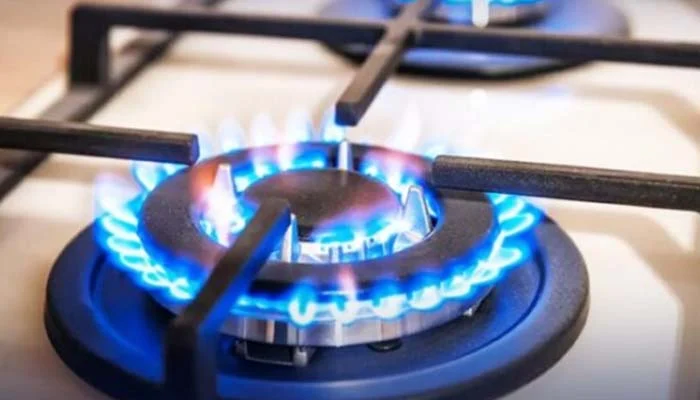
As demand for heating and cooking rises in winters, the government is working on winter gas management strategy aimed at addressing the growing mismatch between supply and demand. Under the proposed arrangement, households would receive natural gas for just eight hours in a 24-hour cycle, potentially forcing families to reorganise their daily routines around limited supply windows.
For millions already struggling with soaring utility bills and the rising cost of living, the prospect of spending most of the day without gas could bring fresh financial and domestic challenges. Ministry of Petroleum reportedly completed its groundwork for the winter gas supply plan and is preparing to brief Prime Minister Shehbaz Sharif.
The proposed schedule prioritises cooking hours, with gas expected to be available around breakfast, lunch and dinner. Outside these periods, households could face prolonged interruptions, leaving consumers with little flexibility to use gas whenever they need it.
However, the exact timings have not yet been announced. The proposed restrictions would be managed separately by the country’s two major gas distribution companies, Sui Northern Gas Pipelines Limited (SNGPL) and Sui Southern Gas Company (SSGC). Both companies are expected to announce their own supply schedules for domestic consumers in their respective regions once the government finalises its winter management strategy.
SNGPL is presently supplying approximately 487 million cubic feet of natural gas daily to household consumers, while SSGC is delivering around 286 million cubic feet per day. Together, the two companies are supplying roughly 773 million cubic feet of gas daily to domestic consumers, but growing winter demand could put further pressure on the distribution network.
The gas restrictions come at a particularly difficult time for consumers, who are also facing concerns over rising liquefied petroleum gas (LPG) prices. For households that depend on LPG cylinders as an alternative to piped natural gas, any further increase in prices could make cooking and heating significantly more expensive.
The situation could become especially challenging during the coldest weeks of winter, when demand for gas traditionally increases sharply. Despite growing concerns, the government has not yet formally approved the proposed eight-hour supply schedule.