The ground in Balochistan is screaming with the history of its martyrs, but by early 2026, the silence of the international community has become even louder than the explosions, leaving many to wonder, how much longer must one nation stand alone against a storm of external design? Operation Radd-ul-Fitna, launched with a cold, necessary precision on January 29, 2026, was more than just a military move, it was a survival reflex, while the security forces successfully neutralized 216 Fitna al-Hindustan terrorists in those intense first weeks, we cannot ignore the staggering cost of this peace: 22 security personnel and 36 civilians whose chairs at the dinner table now sit empty, why does the world look away from these faces while Pakistan picks up the pieces of a war it didn’t start?
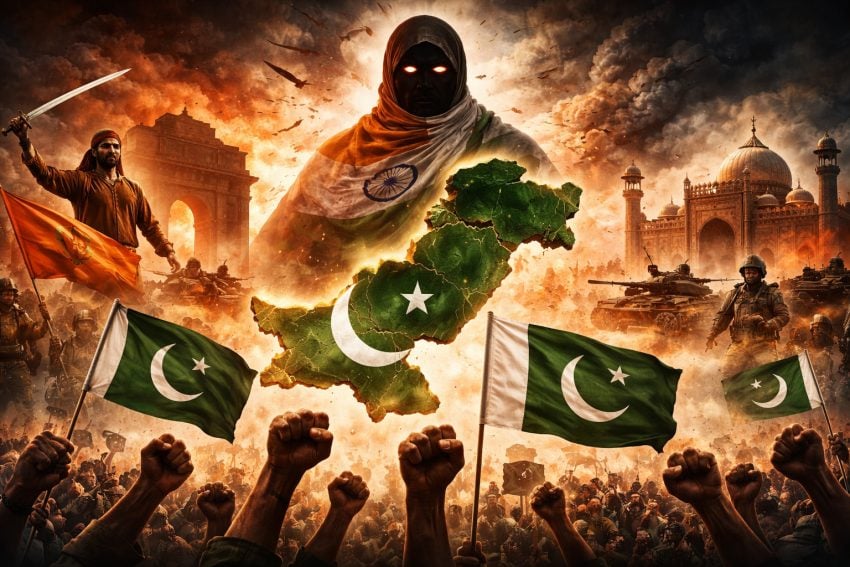
We have to be honest about the enemy we are facing, these are not just rogue actors, they are part of a coordinated, foreign-funded effort officially recognized as “Fitna al-Hindustan” since May 2025. When the BLA launched those coordinated attacks in January 2026 that claimed 48 lives in a single day, they weren’t fighting for “liberation,” they were acting as proxies, reportedly fed and fueled by Indian consulates across the border. If there is irrefutable evidence of funding trails and tactical support, why is it that the international community, including the UN and the US, offers only condemnations while stopping short of calling out the hand that holds the leash of these Fitna al-Hindustan terrorists?
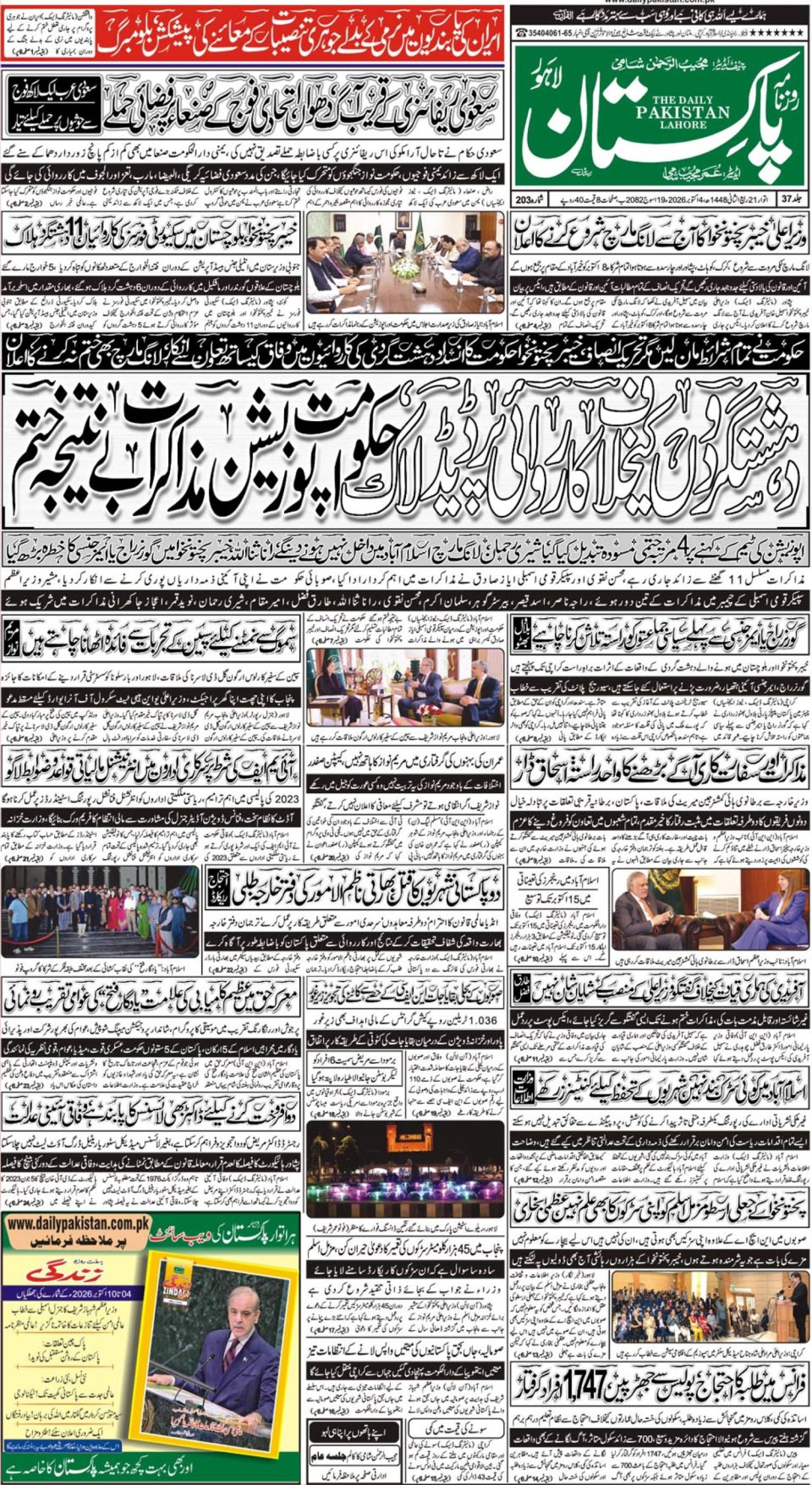
The state is now moving with a level of insight that the enemy never expected, even before the failed show “Heroof 2.0” by the Fitna al-Hindustan terrorists, Pakistan’s intelligence agencies already possessed significant information about the facilitators of these cells. During the chaos of Heroof 2.0, the state obtained even more crucial intelligence, leading to a principled and aggressive decision: action will now be taken not only against the gunmen, but against the financiers, facilitators, and abettors who provide the oxygen for this fire. At this very moment, intelligence and law enforcement agencies have launched a massive crackdown against these elements, because as long as those who facilitate and abet terrorism remain active in our cities and shadows, the violence will persist, and it is absolutely essential to dismantle their complete network.
The scale of this struggle remains massive, in 2025 alone, Pakistan’s forces conducted a relentless 75,175 intelligence-based operations, a number that reflects a country under siege but standing tall. They neutralized 2,597 terrorists amid a terrifying 73% surge in violence that claimed 3,387 lives total that year. Operations like Azm-e-Istehkam have been working to clear out the “Fitna al-Khawarij” along the Afghan border, but this new front against Fitna al-Hindustan terrorists in districts like Panjgur and Harnai shows a tactical evolution. By killing 216 Fitna al-Hindustan terrorists in such a short window, the military isn’t just trimming branches, it is attacking the root, yet we must ask, can we win a war of proxies when the proxies have a safe haven and an open checkbook from New Delhi?
There is a flickering hope in the surrenders, when people like Mirak Khan Chakrani and 25 of his associates walk away from the BLA, they are admitting that the dream they were sold was a lie manufactured by foreign handlers. But even with Pakistan’s removal from the FATF grey list in 2022 and these major battlefield successes, the path forward is grueling, families are being displaced in the Tirah Valley and across Balochistan to clear the way for these operations, and one has to wonder, when will the global powers realize that the stability of Pakistan isn’t just a regional issue, it’s the thin line preventing a total collapse of regional security?
As 2026 unfolds, the message from Islamabad is clearer than ever, they will chase these Fitna al-Hindustan terrorists and their abettors to the very end, the blood of the 58 lives lost in the opening salvos of this year demands more than just military victory, it demands an end to the “Fitna” itself. This highly commendable shift to target the facilitators means the shadows are no longer safe, it demands a world that finally stops treating Indian-sponsored terror as a “complex bilateral issue” and starts seeing it for what it truly is: a calculated attempt to bleed a sovereign nation. How many more operations like Radd-ul-Fitna will it take before the masters of these terrorists realize that Pakistan’s resolve is far stronger than their funding?