
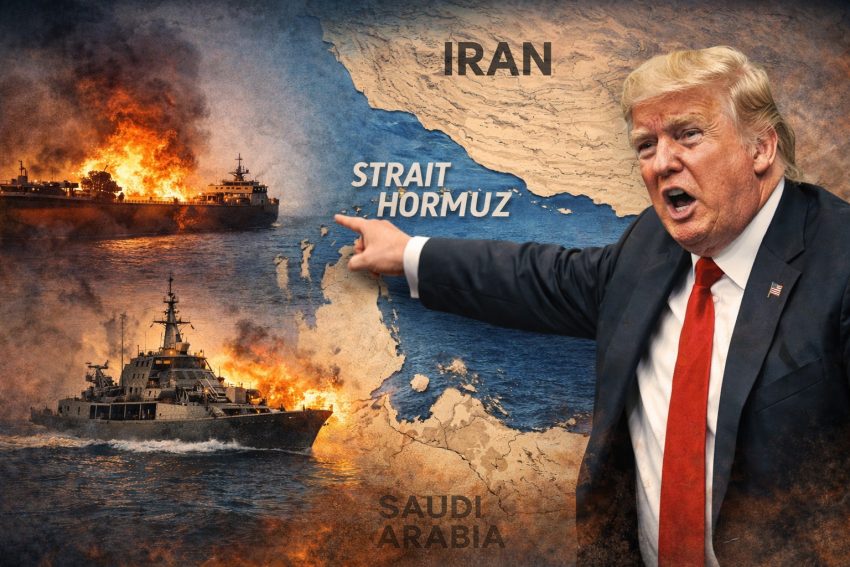
ABU DHABI – The United Arab Emirates has indicated it may consider joining a US-led international effort to secure the Strait of Hormuz, following an appeal by US President Donald Trump.
According to Israeli media reports, the statement was made by Anwar Gargash, diplomatic adviser to the UAE president, during an online event hosted by the Council on Foreign Relations, a US-based think tank.
Gargash expressed concern over the growing tensions in the Gulf region and the risks posed to maritime navigation. He noted that the security of the Strait of Hormuz has become a critical global issue due to increasing threats to shipping routes.
He added that if a US-led international maritime initiative is launched, the UAE could consider participating. However, he also clarified that there are currently no direct talks taking place between the UAE and Iran at any level.
Gargash emphasized the importance of maintaining regional stability and ensuring that global trade remains unaffected amid the ongoing tensions.
The Strait of Hormuz is one of the world’s most vital waterways, serving as a key route for oil exports from Gulf countries to international markets. Most oil-exporting nations in the region rely heavily on this passage.
According to the report, Iran has closed the Strait of Hormuz in response to attacks by the United States and Israel and has targeted foreign commercial vessels passing through the area.
Earlier, Australia and Japan refused to send their naval warships to secure the crucial Strait of Hormuz, leaving the region on edge amid rising fears of a full-blown conflict.
Australian Minister Catherine King made the announcement, saying the Strait is “extremely important,” but Australia will not play any role to the military mission. “This is not a task we were asked to do, nor is it something we are participating in,” King told media, signaling a clear refusal to align with US-led initiative.
Tokyo echoed this stance as Defense Minister Shinjiro Koizumi told Parliament that Japan has “no intention of starting a maritime security operation” given the volatile situation in Iran.
The decision comes after US President Donald Trump publicly called on NATO allies and other global powers to send warships to patrol the strategic waterway. Trump revealed that he had discussed “policing” the Strait with around seven countries and personally asked China whether it would participate, due to Beijing’s critical dependence on the route for oil transport.
Trump warned that nations relying on the region for energy must “defend their own territory” and hinted that some countries possess mine-laying ships that could assist the US effort. Just days earlier, he had posted on social media, urging China, France, Japan, South Korea, and the UK to send warships to prevent Iran from creating any threat.
UK Ministry of Defence spokesperson said they are exploring “multiple options with allies and partners” to ensure safe navigation. China called for an immediate ceasefire, stressing that uninterrupted energy supply is a shared responsibility, without confirming whether it will respond to Trump’s appeal.