ISLAMABAD/TEHRAN/WASHINGTON – Strait of Hormuz remained nearly closed, with only handful of ships crossing since the ceasefire took effect as Israel pounded Lebanon with its heaviest strikes, killing hundreds and drawing a sharp warning from Iran, which said it would be “unreasonable” to continue negotiations toward permanent peace deal.
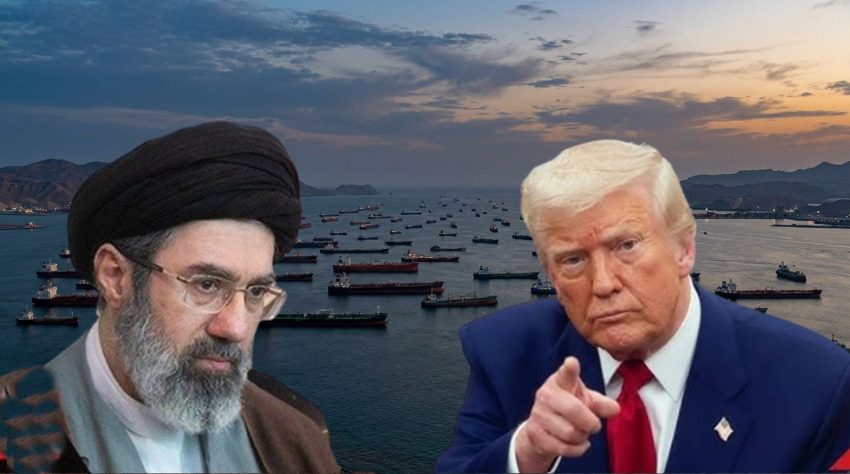
Ship traffic through the Strait of Hormuz has come to an almost complete halt, even after Iran announced a conditional lifting of its blockade, after Wednesday’s fragile ceasefire with the US. The crucial shipping artery, through which roughly 20% of the world’s oil and liquefied natural gas normally passes, remains eerily quiet, sparking fears of a prolonged global energy crisis.
Reports said average of just seven ships navigated strait as compared to daily crossing of 130 vessels. Tehran declared two-week window for “safe passage” for ships willing to coordinate with its armed forces. Yet in 24 hours since, only seven ships made the journey. Six were bulk carriers, forced to follow Iran’s “toll booth” coastal route rather than the central shipping lane. Three of these were Chinese-owned, and three Greek-owned.
The seventh ship, Chinese-owned oil and chemical tanker, vanished from tracking systems mid-transit, suggesting its location data may have been deliberately switched off — a stark reminder of the risks vessels face in the volatile waters.
This trickle shows ongoing paralysis of one of the world’s most vital maritime chokepoints. Tehran told mediators it intends to cap daily transit at roughly a dozen ships as part of the ceasefire arrangement.
Hundreds of vessels have remained anchored near the strait since the US and Israel first attacked Iran on February 28. Conflicting reports from Iranian media suggest the strait may have been closed again following Israeli strikes in Lebanon, while other reports indicate the Revolutionary Guards have issued a map to help ships navigate around naval mines.
Strait of Hormuz has also been at the heart of tense negotiations between the US and Iran. US President Trump previously warned that failure to reopen the waterway could have catastrophic consequences. The current ceasefire includes scheduled talks in Pakistan starting Saturday.
Although Iran has not published its full 10-point peace plan, a summary shared by the Supreme National Security Council highlights two key points concerning the strait, controlling passage in coordination with Iran’s armed forces and establishing a transit system that ensures Iranian dominance. Reports indicate Iran may levy a $2 million fee per ship, to be shared with Oman, which borders the southern edge of the strait.
The ongoing disruptions underline the precariousness of global energy security. While a few ships have braved the strait with Iran’s permission — or taken their chances, most have stayed away. With roughly one-fifth of the world’s oil and LNG usually moving through this narrow corridor, the stakes for international markets could not be higher.
Islamabad Talks
US Vice President JD Vance will lead delegation, including Steve Witkoff and Jared Kushner, to Pakistan for negotiations with Iranian officials starting 11 April. The talks follow a fragile ceasefire aimed at reopening the Strait of Hormuz and potentially paving the way for long-term peace.
White House Press Secretary Karoline Leavitt described ceasefire as US “victory,” noting that Operation Epic Fury achieved its objectives against Iran’s navy, drone, and missile programs. While Iran has agreed to allow ships through the strait, previous warnings to vessels highlight ongoing tensions.
Details of the talks remain unclear. Leavitt dismissed reports of a 10-point Iranian proposal, saying initial submissions were “fundamentally unserious” and were revised only after Trump’s warnings on Truth Social.