
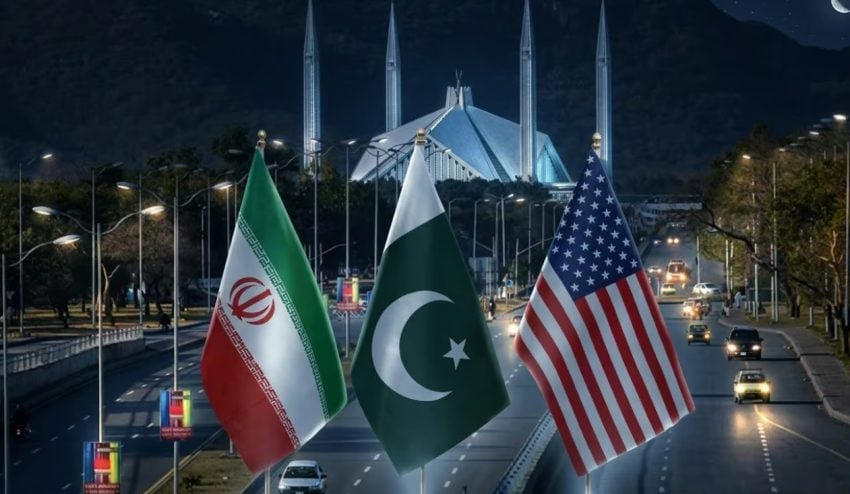
ISLAMABAD – Pakistan’s diplomacy to end US–Iran conflict has been in full swing over past several days, with Islamabad actively engaging both sides through intensive backchannel efforts to stabilise fragile ceasefire and reviving stalled negotiations, and it worked as US President Donald Trump extended ceasefire.
As of Tuesday, US and Iran appear to have faltered at very edge of breakthrough, with despite extensive preparations, coordinated travel plans, and intense backchannel mediation led through Pakistan.
Until late yesterday, the operation appeared fully in motion. Steve Witkoff and Jared Kushner were reportedly set to depart from Miami, while Vice President JD Vance’s aircraft was already positioned for departure. Press staff accompanying Vance had been instructed to prepare for a Washington departure around 9:00 a.m., signaling how advanced the planning had become.
Meanwhile, security deployments in Islamabad were unusually extensive, consistent with preparations with a US presidential-level visit. This fueled speculation that United States was ready for rapid escalation in diplomatic engagement, potentially even involving Donald Trump if required.
However, just as momentum peaked, the situation began to unravel.
The US side, having routed revised proposals to Tehran via Pakistan, sought a clear and timely response from Iran before Vice President Vance left Washington. Washington’s objective was not necessarily a final deal at this stage, but at minimum, visible progress that could justify proceeding with the high-level engagement.
Initially, Iran appeared receptive. That early indication reportedly triggered full-scale logistical and security preparations in Islamabad, and US advance teams were already on the ground. But as the meeting window approached, Iran abruptly began to pull back. Signals first emerged through state media, and were later reinforced by official messaging, suggesting hesitation, or internal resistance, to moving forward.
Sources claimed hardline elements reportedly opposing emerging framework, viewing it as overly concessional or politically costly.
Contrary to early speculation, the issue of US naval blockade was not the central obstacle. In fact, sources indicate the United States had shown willingness to temporarily lift or ease such measures as a confidence-building gesture to keep talks alive.
Despite the setback, diplomatic channels have not fully collapsed.
An extension of the ceasefire has provided temporary relief, reducing the immediate risk of escalation. Behind the scenes, communication continues, with active efforts underway to salvage what remains of the proposed understanding.
Yet a major structural problem persists, the slow and indirect communication flow within Iran’s leadership system. Reports suggest that messaging between the Supreme Leader and the negotiating team is tightly controlled, often routed through a limited intermediary, identified in accounts as Ghalibaf, and delivered via couriers.
This bottleneck contributed to delays in decision-making, even on urgent developments such as the ceasefire extension.
For now, the outcome remains uncertain. Diplomats are still attempting to revive the process at the last moment, but the window is narrowing.
On the other hand, Hezbollah fired rockets and drones at Israeli forces for the first time since a 10-day ceasefire began last Friday, calling it a response to what it described as repeated Israeli violations, including attacks on civilians and destruction in southern Lebanon.
Israeli military said it struck back by targeting a Hezbollah rocket launcher, while Israeli officials reiterated plans to maintain a buffer zone in southern Lebanon.
Diplomatic efforts continue, with Israel and Lebanon set to resume rare direct talks in Washington this week, focused on reducing tensions and the future of Hezbollah.
Trump extends Ceasefire at Request of Pakistan’s PM, Field Marshal as Iran Proposal Awaits