
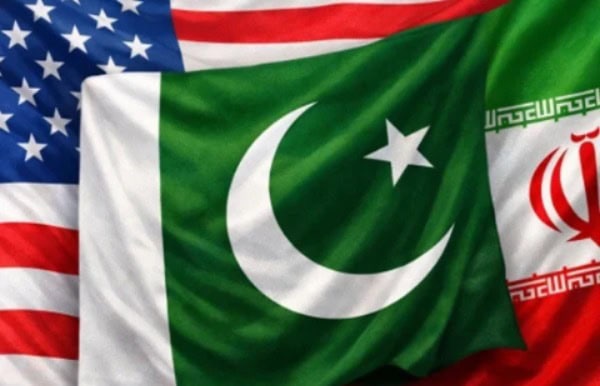
DUBAI – The United States and Iran have received a proposed framework aimed at ending ongoing hostilities, following President Donald Trump’s warning to Tehran.
Iran, however, has indicated it will not reopen the Strait of Hormuz as part of a temporary ceasefire.
The plan outlines a two-stage approach, starting with an immediate ceasefire, followed by a more comprehensive agreement.
Reports said Chief of Army Chief and Chief of Defence Forces (CDF) Field Marshal Asim Munir, has been in continuous contact overnight with US Vice President JD Vance, special envoy Steve Witkoff, and Iranian Foreign Minister Abbas Araqchi, according to sources familiar with the discussions.
Earlier, outspoken US President Donald Trump used absuive language as he seemed frustrated over Iranian attacks in Middle East and closure of Strait of Hormuz, as the closure caused spikes in global oil prices because so much energy supply is concentrated there.
POTUS posted an explosive message on social media threatening to devastate Iran’s power plants and bridges if Tehran fails to reopen the vital Strait of Hormuz to international shipping by Tuesday. Trump warned Iran in blunt and provocative language that it must allow free passage through the strategic waterway or face devastating consequences.
The social media post, said: “Tuesday will be Power Plant Day, and Bridge Day, all wrapped up in one, in Iran. There will be nothing like it!!! Open the Fuckin’ Strait, you crazy bastards, or you’ll be living in Hell – JUST WATCH! Praise be to Allah.”
Despite the dramatic warning, US President said there was still “good chance” that a deal could be reached with Tehran. However, he also hinted at the possibility of massive military escalation, saying he was considering “blowing everything up and taking over the oil” if negotiations fail.
Iranian officials responded sharply. Mahdi Tabatabaei, a spokesperson for the Iranian president’s office, said the Strait of Hormuz would reopen once part of the transit tolls collected from ships passing through the route was used to compensate Iran for the damage caused by the war. Tehran has indicated it plans to charge vessels for passage through the strategic waterway.
Iran’s military leadership also dismissed Trump’s threat. Senior commander Ali Abdollahi Aliabadi described the US president’s remarks as reckless and chaotic, warning that such actions could open “the gates of hell” for the US.