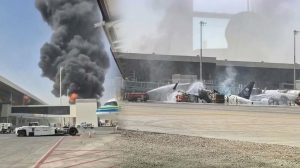

RIYADH – Tensions between US and Iran continues despite ceasefire, and now Saudi Arabia is urgently pushing United States behind closed doors to step back from its blockade strategy and return to negotiations, fearing a chain reaction that could paralyze global oil flows.
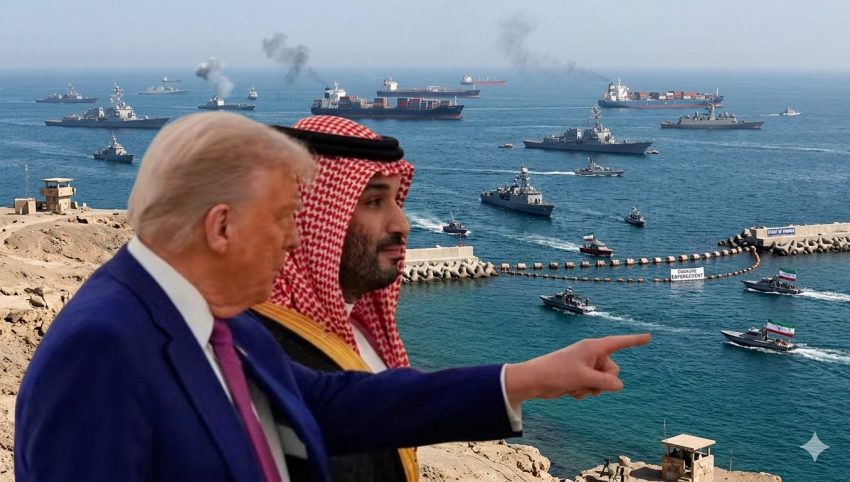
After conflict rendered Strait of Hormuz unusable, Riyadh rerouted its crude exports through Red Sea port of Yanbu, successfully restoring output to around seven million barrels per day. But that lifeline now hangs by a thread.
Tehran signaled it may escalate. A senior foreign policy adviser in Tehran warned that Bab el-Mandeb Strait is viewed “just like Strait of Hormuz”, and could be disrupted instantly if tensions intensify. The implication is clear: Iran doesn’t need to confront Saudi Arabia directly; it can act through its allies.
Saudi officials said they have secured assurances from the Yemeni group not to attack Saudi vessels passing through Bab el-Mandeb. But they also admit the situation is dangerously unstable. If Iran gives the signal, those guarantees could collapse overnight.
US blockade is designed to choke Iran’s oil revenues. But Tehran appears to hold a powerful counter: choking Saudi Arabia’s exports in return. If both chokepoints, Hormuz and Bab el-Mandeb, are shut down simultaneously, the consequences would be unprecedented.
The massive share of Gulf oil production would be stranded, unable to reach global markets. Energy supplies could tighten overnight, triggering price spikes and sending shockwaves through the global economy.
United States and Iran are actively considering another round of direct, face-to-face negotiations, raising hopes of possible breakthrough after days of heightened tensions.
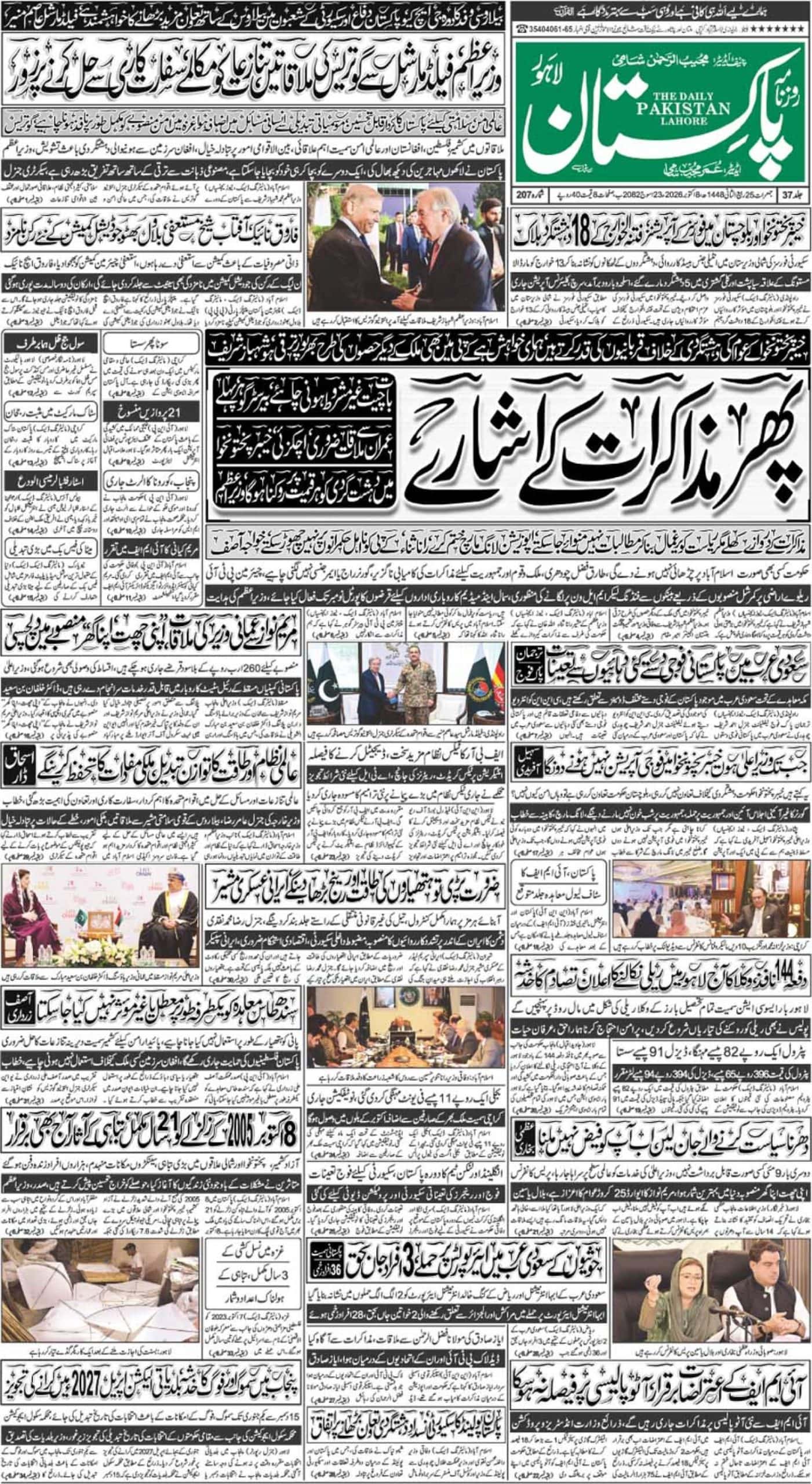
The fresh round of talks could take place before the ongoing two-week ceasefire ends. Sources familiar with the matter revealed that several locations, including Islamabad are under consideration for hosting the high-stakes meeting.
US officials and insiders close to the process confirmed ongoing discussions about restarting negotiations aimed at reaching a new agreement. Notably, a diplomat from a country involved in mediation claimed that both Tehran and Washington have already agreed in principle to hold another round.
Second Round of US–Iran Talks in Islamabad or Geneva soon as Ceasefire deadline nears