
DHAKA — Bangladesh is set for historic and fiercely contested general election, the first since dramatic ouster of former Prime Minister Sheikh Hasina in 2024. Voters across the Asian nation will head to polls on 12 February in what is said to be a key moment that could redefine political landscape.
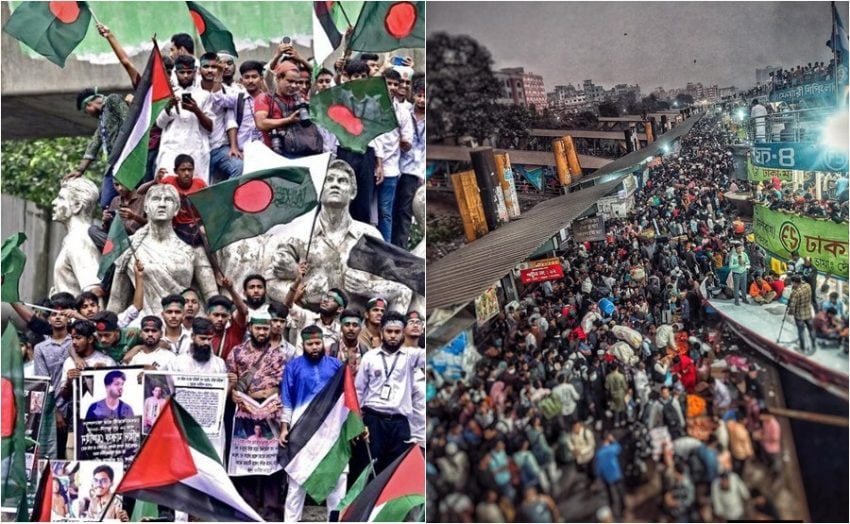
The polls come after Sheikh Hasina was forced from power following nationwide student-led protests, which escalated into violent clashes and a government crackdown that left an estimated 1,400 people dead and over 20,000 injured. Hasina subsequently went into self-imposed exile in India, while Nobel laureate Muhammad Yunus took role of interim head of state in August 2024.
Last year, Hasina was sentenced in absentia to death for crimes against humanity, and her party, the Awami League, was barred from political activity.
Bangladesh Elections
Election Commission of Bangladesh announced that voting will take place from 7:30 AM to 4:30 PM (local time) at 42,761 polling stations across 64 districts, covering 300 parliamentary seats. For the first time, postal ballots will allow approximately 15 million overseas citizens to participate.
Bangladesh’s unicameral parliament (Jatiya Sangsad) consists of 350 seats, with 300 directly elected through a first-past-the-post system and 50 reserved for women, allocated proportionally based on the general seat results. A party requires 151 seats to form government, while the runner-up becomes the opposition.
Key Contenders
This election is first truly competitive vote in 17 years, with the BNP-led coalition going head-to-head against Jamaat-e-Islami’s alliance:
-
BNP (Bangladesh Nationalist Party): Center-right coalition of 10 parties, led by Tarique Rahman, son of former Prime Minister Khaleda Zia, returning after 17 years of exile.
-
Jamaat-e-Islami (JIB): Alliance of 11 parties, including the student-formed National Citizen Party, competing directly against the BNP after Supreme Court restored its registration in June 2025.
Public Sentiment and Polls
International Republican Institute surveys suggest BNP holds 33% support, with Jamaat-e-Islami trailing closely at 29%. The elections will also coincide with a referendum on the July 2025 National Charter, which proposes constitutional and legal reforms.
Why This Election is Historic
-
Youth-led momentum: Many first-time voters were central to the anti-Hasina protests in 2024.
-
Power vacuum: The absence of Awami League and rise of Islamist parties could reshape Bangladesh’s political trajectory.
-
Constitutional change: The upcoming referendum could permanently alter the country’s legal framework.
Analysts warn that the outcome of this election will determine Bangladesh’s political future, potentially reversing decades of established power structures and signaling a new era in the nation’s history.
With 17 years of political dominance disrupted, young voters and reform-minded citizens could tip the balance in what experts are calling one of the most consequential elections in Bangladesh’s modern history.
The Puppet is Gone: Why India Fears the New Pakistan-Bangladesh Alliance