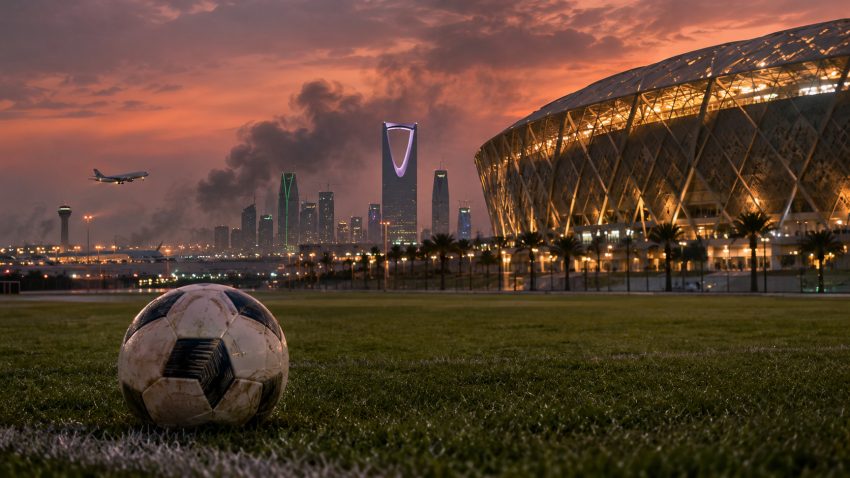
RIYADH – AFC Asian Cup 2027 has been postponed for almost a year in the wake of deadly missile and drone attacks in Saudi Arabia, forcing Asian football authorities to overhaul the tournament schedule amid mounting security concerns and major travel disruptions.
Asian Football Confederation (AFC) confirmed on Tuesday, November 3, that 24-nation football championship, originally scheduled from January 7 to February 5, 2027, will now be staged between December 23, 2027, and January 21, 2028, subject to FIFA’s approval.
The dramatic change comes less than 3 months before the competition was due to start, dealing another major blow to Saudi Arabia’s international sporting calendar as regional tensions continue to affect major events.
The tournament will still be hosted by Saudi Arabia, with Riyadh, Jeddah and Al Khobar remaining the designated host cities. However, the revised schedule will require fresh coordination between football authorities, participating countries, broadcasters and international clubs.
The postponement follows a series of attacks on Saudi infrastructure, including a deadly strike on Riyadh’s King Khalid International Airport in October 2026. Yemen’s Houthi movement claimed responsibility for the attack, which reportedly killed at least 12 people and injured more than 300. Some subsequent accounts placed the death toll at 13.
The violence raised serious concerns about international flight operations, passenger safety and the movement of thousands of footballers, officials and supporters expected to travel to Saudi Arabia. Security fears intensified following additional reported strikes and drone activity involving the Dammam area, airports and energy infrastructure.
Despite earlier assurances from Saudi organisers that preparations remained on schedule, the continuing regional instability ultimately prompted Asian football authorities to reconsider the tournament’s timing.
AFC said its organising committee approved the postponement after extensive consultations with the Saudi Arabian Football Federation and the tournament’s Local Organising Committee. Football authorities identified exceptional regional circumstances, major logistical difficulties and international travel interruptions as the principal reasons behind the decision.
The confederation stressed that the revised calendar was intended to safeguard participating teams, match officials, supporters and everyone involved in staging the championship. Saudi football officials, meanwhile, reiterated their commitment to hosting the competition.
Local Organising Committee chairman Yasser Al-Misehal maintained that Saudi Arabia had been prepared to stage the event under the original schedule and would continue its preparations for the new dates.
However, the proposed calendar will not become final until FIFA grants the necessary approval.
Asian Cup postponement is part of a wider disruption to Saudi Arabia’s sporting calendar. Six Kings Slam tennis exhibition in Riyadh, initially scheduled for October 2026, was moved to late December following organisational and logistical difficulties.
PIF Saudi International golf tournament, scheduled to take place at Riyadh Golf Club from November 18 to 21, was also postponed indefinitely. Several domestic football fixtures and international sporting activities have faced interruptions, while the Urban World Championships cycling event was cancelled.
The disruptions have created fresh challenges for Saudi Arabia as the kingdom continues investing heavily in international sports and prepares to host major competitions over the coming years. The postponement could offer an immediate advantage to English Premier League clubs that were facing the prospect of losing important Asian international players during the second half of the 2026–27 season.
Players potentially affected by international selection include Zion Suzuki of Aston Villa, Liverpool’s Wataru Endo, Daizen Maeda of Ipswich Town, Ao Tanaka of Leeds United, Crystal Palace duo Takehiro Tomiyasu and Daichi Kamada, Hull City’s Hidemasa Morita and Brighton’s Kaoru Mitoma, whose availability also depends on his recovery from injury.
The decision marks another significant scheduling setback for Asian football. The previous edition, officially known as the AFC Asian Cup 2023, was also delayed and eventually staged in Qatar between January and February 2024.
China had originally been selected to host that tournament but relinquished its hosting rights amid COVID-19-related challenges, prompting a change of venue and calendar.
Saudi Arabia faces fresh Missile Attack as Houthis claim Direct Hit on Defence Ministry