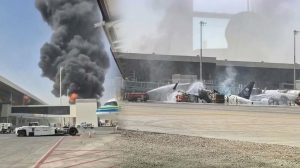

TEHRAN – Global Energy markets have been shaken by military escalation involving Iran that disrupted the Strait of Hormuz, which is key route through which about 20% of the world’s oil is transported.
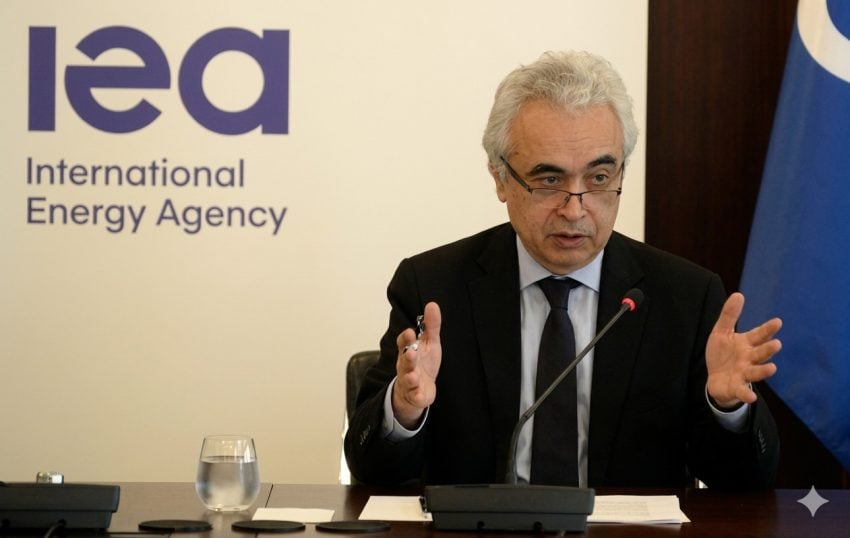
Amid wide scale of destrction, International Energy Agency chief Fatih Birol made shocking claims about it, saying the disruption has already removed major volumes of oil and gas from global markets, creating a situation comparable to multiple past energy shocks combined. Several countries have started using emergency oil reserves and considering demand-reduction measures, while international pressure has increased on Iran to reopen the strait.
The crisis continues to threaten global energy stability, with widespread economic impacts expected if the situation persists.
Fatih Birol who led Paris-based International Energy Agency issued stark warning that the ongoing energy disruption linked to ongoing conflict is reaching historic proportions, potentially rivaling the combined impact of the 1970s oil shocks and the fallout from Russia’s invasion of Ukraine.
He described the crisis as convergence of multiple global energy shocks occurring simultaneously, stressing that the scale of disruption is not only affecting oil and gas supplies but is also threatening critical industrial inputs such as petrochemicals, fertilizers, sulfur, and helium—materials essential to global manufacturing and agriculture.
At the center of the crisis is Strait of Hormuz, which is key vital maritime chokepoint through which roughly one-fifth of the world’s oil flows. Shipping through this corridor has been severely disrupted, with maritime traffic nearly halted in wake of outbreak of conflict and attacks in the region. The closure has triggered widespread supply concerns and volatility across energy markets.
Birol warned that global leaders initially underestimated the severity of the situation. In response, IEA recommended immediate demand-side interventions, including encouraging remote work, reducing highway speed limits, and limiting air travel to ease pressure on fuel supplies.
The scale of disruption is already substantial. According to Birol, multiple energy facilities across Gulf region sustained serious damage, meaning that even if the conflict de-escalates, energy production and distribution may not quickly return to normal levels.
He compared current shortfall to past global crises, noting that the oil shocks of the 1970s removed about 5 million barrels of oil per day from global markets, while the war in Ukraine cut around 75 billion cubic meters of natural gas supply. In contrast, the present crisis has already resulted in an estimated loss of 11 million barrels of oil per day and approximately 140 billion cubic meters of gas.
Describing situation as effectively “two oil crises and one gas crisis combined,” Birol said the global system is under exceptional strain. In an attempt to stabilize markets, the IEA has already released 400 million barrels of oil from emergency reserves, though he cautioned that this is only a temporary measure designed to ease immediate pressure rather than resolve the underlying issue.
Meanwhile, there is slowdown in crisis as US President Donald Trump warned of severe consequences if Iran failed to open Strait of Hormuz. In response, Iranian officials, including Parliament spokesperson Mohammad Baqer Qalibaf, warned that critical infrastructure in the region could face irreversible damage if attacks escalate.
The crisis has also drawn international concern. Anthony Albanese held discussions with Birol as governments across Asia, Europe, and North America assess potential next steps, including the possibility of further coordinated releases from strategic oil reserves.
Trump considers winding down military operation as Iran continues retaliation