
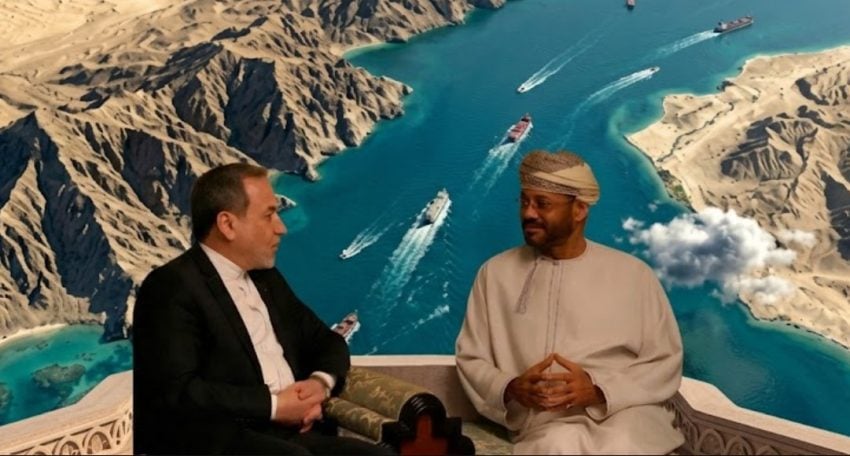
TEHRAN – The battle over Hormuz has taken another turn as Tehran firmly rejected Oman’s proposal for joint management of key route, insisting it will not compromise on control of the strategic waterway. The decision comes as military tensions intensify across the Gulf, sending global oil prices higher and raising fresh fears over regional stability.
Iran toughened its stance over the critical oil shipping corridor as military tensions across the Middle East intensified on Wednesday. The move deals major blow to diplomatic efforts aimed at easing months of disruption in Gulf trade after the strategic waterway became a flashpoint following US and Israeli military strikes on Iran earlier this year.
Tehran reportedly had no intention of accepting Muscat’s proposal, which called for shared regional management of Hormuz as official accused the US and Saudi Arabia of pressuring Oman to promote what Tehran described as “unrealistic” plans for the vital maritime corridor.
Iran insists that the entire inbound shipping lane and part of the outbound route through the Strait of Hormuz must remain under its control, arguing that a 50-50 management arrangement with Oman would undermine its national and strategic interests. Despite rejecting the proposal, Tehran reiterated that it considers Oman an important regional partner.
Iran’s Islamic Revolutionary Guard Corps (IRGC) claimed its naval forces intercepted three oil tankers in the Strait of Hormuz after the vessels allegedly ignored warnings and sailed through what it described as an illegal and unsafe route.
IRGC Navy said it continues to exercise full control over the strategic waterway and warned that any attempt by US forces to direct or interfere with commercial navigation in the region would be met with a firm response. Reuters said it could not independently verify the Iranian military’s account.
Global oil markets reacted swiftly to the latest developments, with crude prices climbing more than $3 per barrel as fears of wider instability threatened energy supplies from the Gulf.
The market rally followed coordinated US and Saudi airstrikes against Iran-backed armed groups in Iraq. Washington and Riyadh said the operation was launched in response to drone attacks targeting Saudi oil infrastructure.Iran rejected the accusations, warning that holding Tehran responsible for the attacks would amount to a “major miscalculation” and could further inflame regional tensions.
IRGC claimed it launched several ballistic missiles toward US military installations in Jordan. Jordanian armed forces later said their air defense systems successfully intercepted and destroyed five incoming Iranian missiles before they could reach their targets.
Saudi Arabia, US attack Iran-backed militia targets in Iraq after drone strikes